Your First Night Under Caliraya's Pines: Tent Camping Without the Trial and Error

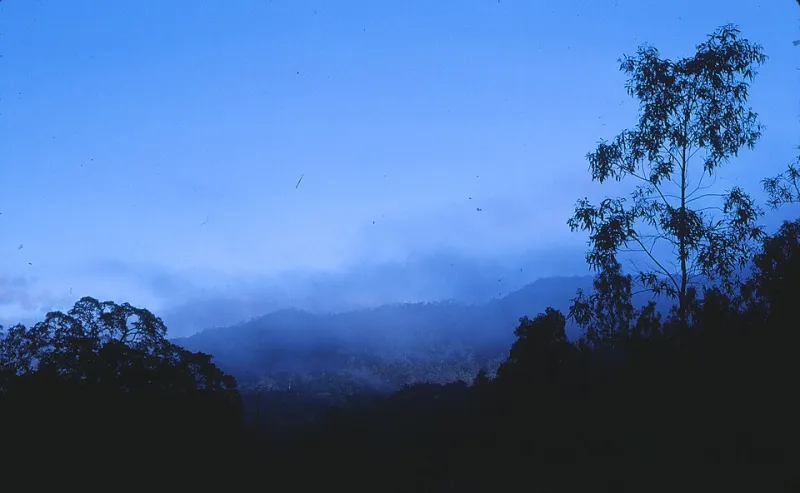
Photo: lakeside campsite tent under pine trees morning fog budget camping, via thumbs.dreamstime.com
Camping in the Philippines sounds like a sweaty proposition. Around Caliraya Lake it mostly isn't — this is cool high ground, pine shade, and mornings where you can see your breath if you get up early enough. Which is exactly why first-timers show up overprepared for heat and completely unprepared for a 64-degree night in a damp tent.
Let's fix that before you go.
Where you can actually pitch a tent
There's no black-and-white map of campsites here, because the lake is ringed by a mix of private resorts, farm properties, and protected watershed land. The safe rule: you camp where someone with authority says you can camp.
Resort and lakeside camps. Most of the camping around Caliraya happens on private property with a designated camping area, bathrooms, water, and sometimes a small store. This is the easiest and most beginner-friendly option. Expect something in the range of 300 to 800 pesos per person per night — call it five to fifteen dollars — and occasionally a small tent fee on top.
Farm stays and glamping sites. A growing number of properties around Cavinti and the Lumot side offer a middle ground: a platform, a pre-pitched tent, or a cabin, plus meals. If this is your first night out, and especially if you're arriving jet-lagged, this is not a cop-out. It's strategy.
Watershed and forest areas. Some of the land around Caliraya and Lumot is protected or managed. Hiking it is often possible with local permission or a guide, but showing up and pitching a tent unannounced is a bad idea and can land you in an awkward conversation with a ranger.
Wild camping, in the American sense? Not really a thing here. The lake is a working reservoir and a watershed, with private holdings scattered throughout. Ask first, always.
The permit and paperwork reality
You are not going to spend an afternoon at a government window, but you do need to handle a few things.
- Register with the property. Bring a valid ID. Some camps ask for it, and it's routine rather than suspicious.
- Expect a basic waiver. If you're renting a kayak, joining a guided hike, or using a zip line or water activity, there's usually a form.
- Ask about the watershed if you plan to hike beyond the property. Your camp can usually point you to the right person.
- Bring cash. Bring more than you think. ATMs are scarce and unreliable outside town. Small bills for camping fees, boat rides, coffee, and tricycle fares.
- Confirm your spot in advance on weekends and holidays. This is a domestic weekend destination for Manila, and the good lakeside spots fill up.
Rent or bring? A quick honest breakdown
Rent locally: tents, sleeping mats, kayaks, paddles, life vests. Renting a decent tent for a night or two costs less than the airline bag fee to bring your own, and camp staff will often pitch it for you.
Buy in Manila: stove fuel (you cannot fly with it), insect repellent, sunscreen, cheap dry bags, batteries. Hit a mall or an outdoor shop on your way out of the city and save yourself the scavenger hunt.
Bring from home: your headlamp (you know it works), a sleeping bag liner, any medication, and a good rain shell. Also bring a duffel rather than a hard suitcase — you'll be hauling gear over grass and gravel.
The thing you will forget
Warm layers. Every single time.
People pack for the Philippines they read about — tank tops, shorts, sandals — and then sit shivering at 9 p.m. under a pine canopy while the lake wind pulls moisture through their tent. Nights here routinely land in the low to mid 60s Fahrenheit, and damp cold hits differently than dry cold.
What that actually means: a fleece or light puffy, long pants, dry socks you only wear in the tent, and a beanie. Plus something warmer than a beach towel to sleep under — a real sleeping bag, a quilt, or at minimum a fleece liner. If you rent gear, ask specifically what the sleeping bag is rated for, and don't accept 'it's fine, it's the Philippines' as an answer.
Second-most-forgotten item: a headlamp. Phone flashlights die, and walking to the bathroom in the dark with a phone in your teeth is a rite of passage you can skip.
The packing list that fits in one duffel
Sleep
- Tent (rented is fine), footprint or tarp for underneath
- Sleeping bag or quilt rated for cool nights, plus a liner
- Inflatable pad or thick mat
- Small pillow or a stuff sack full of clothes
Wear
- Fleece or packable puffy, beanie, long pants, dry socks
- Quick-dry shirt and shorts for daytime
- Rain shell
- Closed shoes with grip, plus sandals for camp
Camp
- Headlamp with spare batteries
- Lighter and fire starters (only if the property allows fires — many don't)
- Small stove and fuel bought in Manila
- Reusable water bottle, plus a filter or purification tablets if you're unsure about refills
- Trash bags — pack everything out
- Paracord, a small repair kit, duct tape
Personal
- Insect repellent, sunscreen, basic first-aid, personal meds
- Toilet paper in a zip bag, hand sanitizer
- Cash in small bills
- Offline maps downloaded before you leave
Camp craft, Philippine edition
- Do not gather firewood from the pine stands. It's not dead-and-down American forest; it's someone's managed land. Bring fuel or skip the fire.
- Ants find everything. Seal food, and don't leave snacks in your tent unless you enjoy company.
- Rain is a when, not an if. A tarp over the tent is the cheapest upgrade to your trip.
- Mind the noise. Sound carries across water, and weekends here have a mix of families, anglers, and people who came specifically for quiet.
- Check the shore before you swim. Reservoir levels shift, and what looked like a shallow edge at sunset can be a mud bank by morning.
What the morning is worth
Set an alarm. The payoff for a slightly cold night is fog sitting on flat water, pines going dark against a brightening sky, and coffee that tastes better than it has any right to. Walk down to the shoreline before anyone else is up, and you'll understand why people keep coming back to this particular patch of the Philippines with a tent and not much else.
Pack the warm layer. Thank me at sunrise.