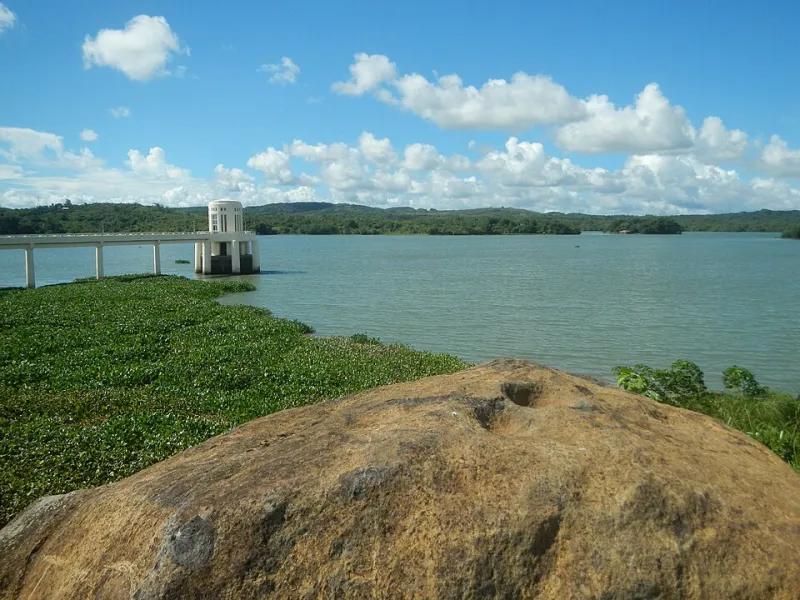
Caliraya's Pine Country: The Philippine Hills That Smell Like Oregon
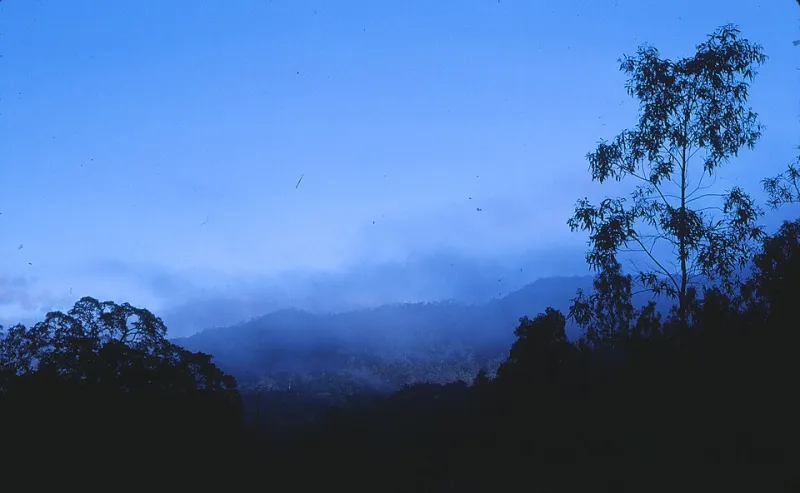
Photo: John Robert McPherson, CC BY-SA 4.0, via Wikimedia Commons
You land in Manila braced for the version of the Philippines you've seen in photos: palm shade, tricycle horns, air you can wear. Then you take the road east, past the coconut stalls and the fishponds, and somewhere around the climb toward Cavinti the windows fog up and the air coming in stops smelling like diesel and starts smelling like resin.
That's the moment. Ask anyone who's been to Caliraya and they'll usually mention it before they mention the lake — the smell of pines.
The thing nobody tells you about Philippine pine country
Caliraya sits on a plateau along the Laguna–Quezon border, high enough and shaded enough that the landscape stops behaving like the tropics for long stretches of the day. Pine stands run along the ridges, and the hills above Lumot Lake are practically all needles and wind.
If you have spent time in Oregon, Washington, or anywhere in the Cascades, the first ten minutes will be disorienting in a pleasant way. Wet bark. Morning fog sitting low on water. That specific soft crunch of a pine-needle trail. It is a genuinely odd and lovely thing to find in Southeast Asia, and it's why weekenders from Manila have been calling this area Little Baguio for decades.
Why the air feels different (and why you should believe the thermometer)
The honest answer is elevation. Caliraya's water sits several hundred feet above sea level, and the ridges around it go higher. That's enough to knock the edge off the lowland heat.
Realistically, expect mornings in the mid-60s Fahrenheit and afternoons that top out around the high 70s, with cloud cover rolling through and a breeze coming off the water most of the day. Compare that to Metro Manila in the same week, which is doing its level best to hit 95 with humidity to match.
The catch: when the sun goes down, the temperature drops faster than people expect. More on that in the packing section. Trust me.
Where to get your pine forest fix
You don't need a permit, a guide, or a plan to find the good stuff — you need a pair of shoes and a couple of hours.
The Cavinti–Lumban road. The drive itself is the attraction. Pine-lined shoulders, big views opening up over water, and pull-off spots where locals sell buko pie and coffee. Go early. The fog is worth the alarm.
The ridges above Lumot Lake. Lumot is Caliraya's quieter neighbor, upstream and up another few hundred feet. The forest up there is denser, the air colder, and the crowds basically nonexistent on weekdays. Ask your accommodation to arrange a local guide if you want to walk watershed trails — some of this land is protected and permission matters.
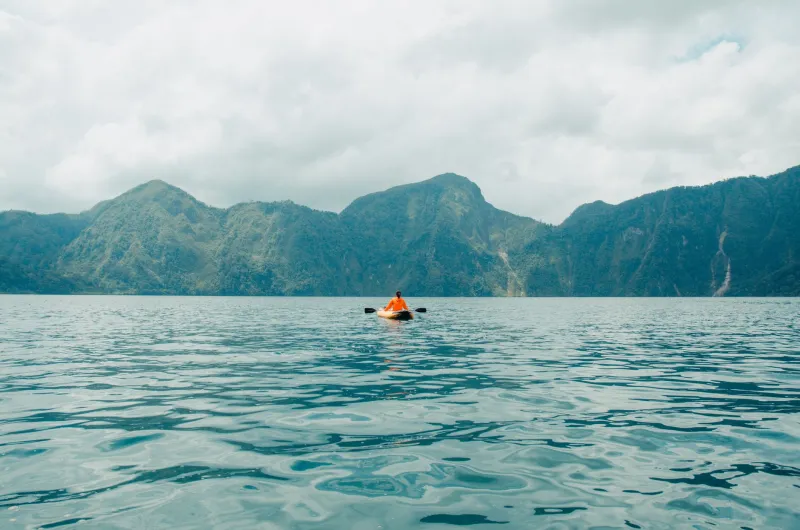
Lakeside forest edges. Several camps and resorts around the lake have pine stands right at the shoreline, which is the closest thing to an unfair advantage in travel photography: cold mist, dark trunks, flat water, one kayak.
Dirt roads and fire lanes. If you ride, bring or rent a mountain bike. The cool air makes climbing almost pleasant, which is a sentence I never expected to write about the Philippines.
What's NOT like the Pacific Northwest
Worth saying plainly, so your expectations land in the right place.
- No bears. No gear lists. No lottery permits. You are not competing with anyone for a campsite on a Tuesday.
- Palms and pines share the same hillside. Banana plants at the edge of a pine grove is a combination that will short-circuit your brain for a second.
- The rain is warm-ish and arrives fast. Afternoon showers are a feature, not a tragedy. A packable shell handles it.
- You're never truly remote. Sari-sari stores, roosters, and the occasional karaoke speaker are part of the deal. This is a lived-in landscape, not wilderness.
- It's cheap. A day of forest walking and lake time costs less than a single lift ticket back home.
Pairing forest time with the water
The rhythm that works best here is simple, and it's the reason this place earns the slow-travel label: forest in the morning, water in the afternoon, nothing scheduled in between.
Start with a walk or a short drive before the day warms up, when the fog is still on the lake and the pines are dripping. Come back to base, eat something long and unhurried. Then take a kayak or a small boat out in the afternoon when the light turns gold and the wind lays down. Finish with coffee on a deck while the hills go blue.
Two nights is the minimum for this to feel like rest instead of a checklist. Three is better.
What to actually pack
This is where first-timers go wrong, because they pack for the Philippines they imagined.
- A light fleece or packable puffy. Non-negotiable. Nights run cool and damp.
- A windbreaker or rain shell. The lake wind and the afternoon showers both want one.
- Long pants for evening. Shorts-and-flip-flops people are always the ones shivering by 8 p.m.
- Closed shoes with grip. Pine needles on wet clay are slicker than they look.
- A beanie. Sounds absurd. You'll be glad at sunrise.
- A dry bag for electronics and a spare pair of socks. Both earn their space.
- Bug spray for dusk. The cool air helps, but it doesn't finish the job.
The takeaway
Most American travelers fly 14 hours to the Philippines for beaches, boats, and bar food, and those are all excellent reasons to come. But there is something quietly restorative about landing in a country you've never visited and finding a hillside that smells like home — the same wet pine, the same fog on water, the same instinct to slow your breathing down.
Caliraya doesn't need to be dramatic about it. It just needs to be a little cool, a little green, and a lot quieter than wherever you came from. Go for two nights. Bring the fleece.