Paete in Half a Day: The Woodcarving Town That Puts Your Caliraya Weekend in Another Century
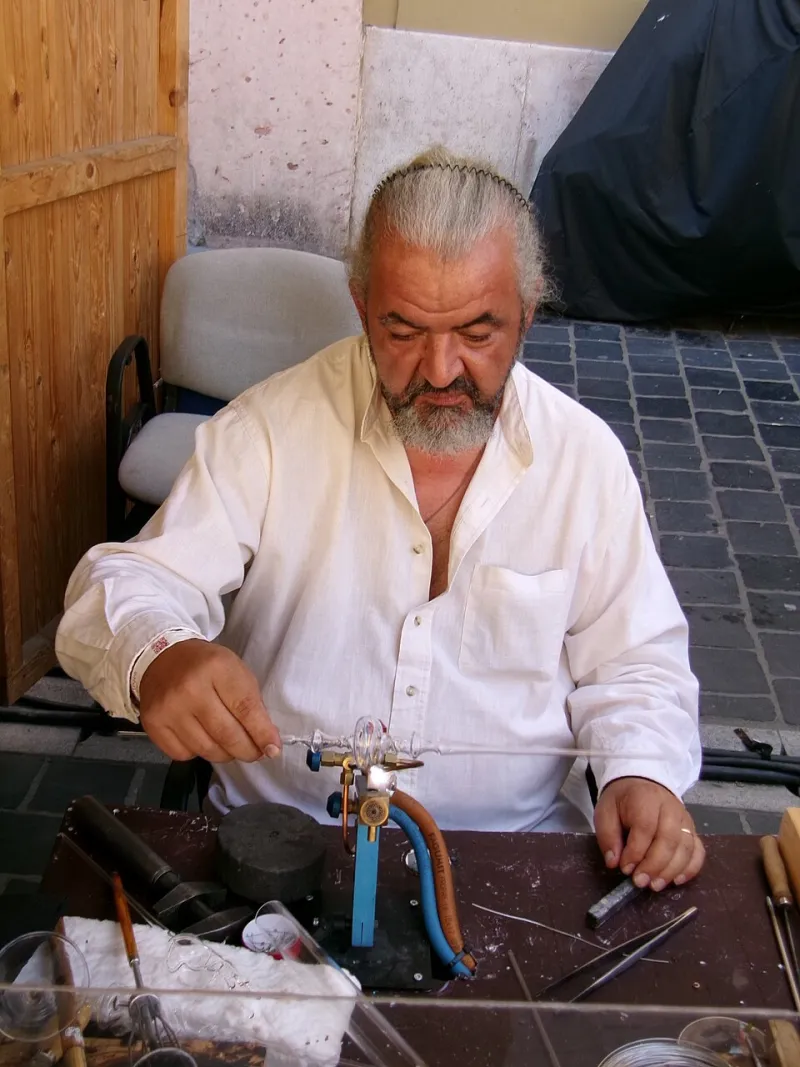
Photo: Globetrotter19, CC BY-SA 4.0, via Wikimedia Commons
The lake is the reason you came, and it earns the trip. But there is a version of a Caliraya weekend that ends up being three sunrises, two kayak sessions, and a vague sense that you saw water and trees and not much else. If you want the trip to have texture, spend one morning driving down to Paete.
Paete sits on the western shore of Laguna de Bay, wedged between the water and the foothills of the Sierra Madre, roughly an hour from most Caliraya stays depending on where you woke up and how many trucks you meet on the Cavinti road. The town's name comes from the word for chisel, which tells you most of what you need to know. Woodcarving is not a heritage demonstration here. It is the local economy, and it has been for generations.
Why it's worth the drive
You go from pine ridge and reservoir to a dense, old, Spanish-era town grid in about sixty minutes. The architecture changes, the light changes, the noise changes. Paete has a stone church, a plaza that functions as an actual living room for the town, workshops where you can hear the tap of mallet on chisel from the street, and food that has nothing to do with resort menus.
It is also completely uncurated. There is no visitor center telling you where to look. That is the appeal, and it is the reason to read up before you go.
The route, realistically
Leave the lake around seven thirty. The descent through Cavinti and Lumban is winding, so take something for motion sickness if you are prone to it, and ask your driver to stop once if you need to. You will pass through Lumban, which is known for embroidery, on the way in.
Eight thirty: the church and the plaza. The parish church of Santiago Apostol anchors the town center, first built in the 1600s and rebuilt and expanded over the following centuries. Step inside, sit for ten minutes, and look up. Dress modestly, keep your voice down, and if a service is underway, come back later. The plaza outside is where the town actually happens: vendors, kids, retirees on benches, somebody selling bibingka out of a basket.
Nine thirty: a workshop. Walk the streets radiating off the plaza and follow the sound. Many family workshops are open to the street, and most will let you watch if you ask first. You will see religious figures, horses, saints, and increasingly contemporary pieces for hotels and collectors. Some carvers work on a single piece for weeks.
Eleven: the market and the taka makers. Paete is also known for taka, the painted papier-mache horses and figures that have been made here for well over a century. Small ones travel well in a suitcase if you wrap them in a shirt. The public market is the place to load up on local rice cakes, kesong puti from nearby towns, and fruit.
Eleven forty-five: lunch. Find a carinderia or a small panciteria, point at what looks good, and eat what the town eats. Expect to spend a fraction of what a resort lunch costs. Ask for the house pancit and a cold bottle of something.
Twelve thirty: head back up. You will beat the worst of the afternoon heat and be at the lake in time for a swim before the wind picks up.
How to behave in a working town
This is not a theme park, and the artisans are not performers. A few basics go a long way.
Ask before you photograph. Especially faces and hands. A nod at the finished pieces and a gesture at your camera usually gets a yes. If someone says no, say thank you and move on.
Do not handle unfinished work. Carvings in progress are fragile, and one drop can undo a week.
Buy something small even if you are only browsing. You spent forty minutes in someone's workshop. A ten-dollar carving is a fair trade for their time and your curiosity.
Do not haggle hard on hand-carved work. These pieces are priced against hours, not against a factory. Rounding up rather than down is the local custom.
Greet people. A simple good morning, or the polite po and opo if you are addressing an older person, is noticed and appreciated. Calling a man kuya and a woman ate is friendly and correct.
Watch your Sunday. If you visit on a Sunday, expect worship to take priority and workshops to run on family time. A weekday morning is the better bet.
Practical notes
Bring cash in small bills, since card readers are rare and signal can be unreliable. Wear shoes that can handle uneven pavement. Give yourself a hard out at half a day, because the town rewards slow wandering and you will want a reason to come back rather than a reason to rush.
And yes, the lake will still be there when you get back. That is the nice thing about a side trip this close.