Plan It Right: The Month-by-Month Guide to Visiting Caliraya Lake
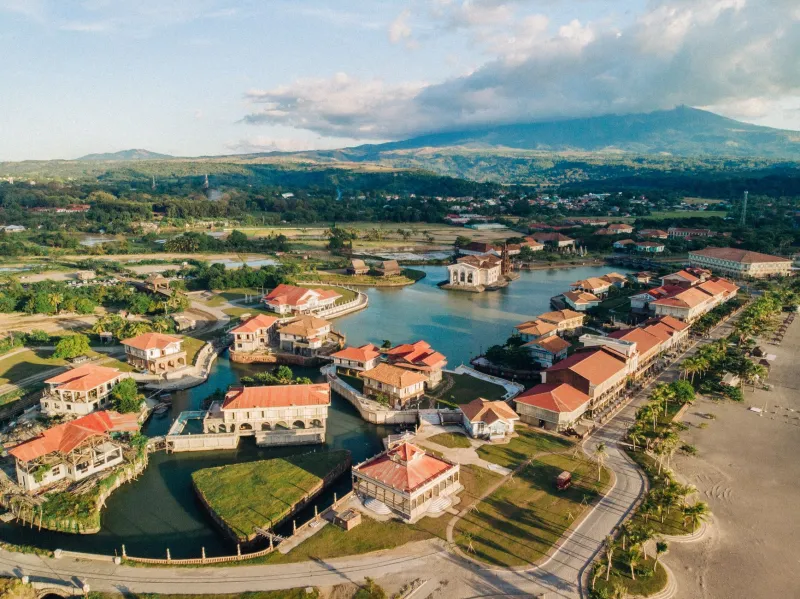
Here's a truth most travel blogs won't tell you upfront: Caliraya Lake doesn't look — or feel — the same from one month to the next. The version you experience in February, when the skies are clear and the lake glitters like a polished mirror, is a completely different animal from the lush, rain-soaked landscape waiting for you in July. Neither version is wrong. They're just different adventures.
For American travelers doing their homework before booking flights, this guide breaks down exactly what to expect at Caliraya throughout the year — activity conditions, crowd levels, weather realities, and what to throw in your bag. Think of it as the trip-planning shortcut you actually needed.
Understanding the Philippine Climate First
Before diving into the calendar, a quick orientation: the Philippines doesn't run on the same four-season clock as most of the US. Instead, the country operates on two broad seasons — the dry season (roughly November through April) and the wet season (May through October). Caliraya, sitting in the Laguna highlands about three hours from Manila, follows this general pattern, though its elevation gives it a slightly cooler, breezier character than coastal towns.
Rain in the Philippines isn't the same as a drizzly Pacific Northwest afternoon, either. When it rains in Caliraya during the monsoon months, it often rains hard — tropical downpours that clear quickly but can roll in unexpectedly. That context matters a lot when you're planning hikes, water sports, or outdoor dining.
November to February: The Sweet Spot
If you want the most reliably comfortable Caliraya experience, the November-to-February window is your golden ticket. Temperatures hover in the mid-70s to low 80s Fahrenheit, humidity drops to manageable levels, and rainfall is rare. The lake surface tends to be calmer in the early morning, which makes it ideal for kayaking and paddleboarding.
December and January are also when northeast trade winds pick up across the region — and for windsurfers, that's basically a dinner bell. The Caliraya Reservoir has a long-standing reputation among Filipino sailing and windsurfing enthusiasts, and during these months, conditions are at their best. If you've been wanting to try your hand at windsurfing for the first time, signing up for a lesson here during peak dry season is a solid move.
Crowd reality check: December is high season in the Philippines broadly, and the holiday weeks (Christmas through New Year's) see a noticeable uptick in domestic tourism. Accommodation around Caliraya books up faster than you might expect. If you're traveling during this window, lock in your lodging at least six to eight weeks in advance.
What to pack: Light layers for evenings (it genuinely cools down at altitude), sunscreen, and water shoes for lake activities. A light rain jacket doesn't hurt even in dry season — the mountains have their own micro-weather.
March to May: Warm, Bright, and Buzzing
March through May is summer in the Philippines — school's out, families are traveling, and popular destinations fill up fast. Caliraya draws a mix of domestic weekend warriors and international visitors during this stretch. Temperatures climb into the upper 80s, and while the dry season technically continues into April, May starts flirting with early rains.
This is a great time for trail hikes around the lake's perimeter, when paths are dry and firm underfoot. The scenery is a bit more golden and sun-baked compared to the lush greens of rainy season, but sunrise views over the water during this period are genuinely spectacular.
Fishing is another highlight. Caliraya Lake is well-stocked, and the warmer months tend to bring good catches for those who rent a boat and head out in the early morning. Local guides are easy to find around the resort areas.
Crowd reality check: Holy Week (Easter week) is the single busiest travel period in the entire Philippine calendar. If your dates land near Easter, either book very early or consider shifting your plans slightly — accommodation prices spike and availability gets tight.
What to pack: Full sun protection, lightweight breathable clothing, insect repellent, and a reusable water bottle. Staying hydrated matters more than most visitors anticipate.
June to August: The Lush Season
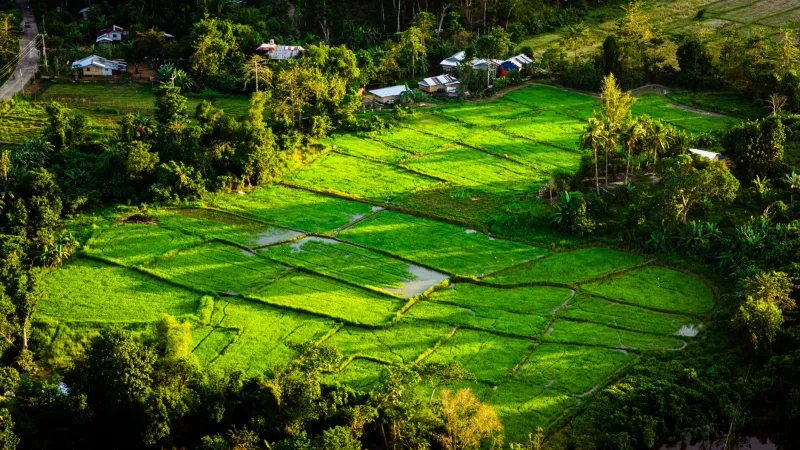
Here's where Caliraya earns its reputation as a highlands escape rather than just a lake resort. Once the rains arrive in earnest, the hillsides surrounding the reservoir transform into something genuinely cinematic — deep greens, dramatic cloud formations, waterfalls that barely exist in dry season suddenly rushing with purpose.
Hiking in this window is a different experience entirely. The trails around Caliraya and into the surrounding Laguna mountains are cooler, the air smells incredible, and you'll likely have stretches of path almost entirely to yourself. Waterfall chasers take note: this is when the hidden falls near the lake are at full, impressive force.
That said, wet-season hiking demands more preparation. Trails get slippery, and sudden downpours are part of the deal. Guides familiar with local conditions are worth every peso during these months.
Crowd reality check: Domestic tourism slows significantly during the school year and rainy season. You'll find better accommodation rates, quieter resorts, and a more laid-back atmosphere overall. For travelers who prefer solitude over scene, this is arguably the ideal time.
What to pack: Waterproof trail shoes are non-negotiable. Pack a dry bag for electronics, a lightweight packable rain jacket, and quick-dry clothing. A small first-aid kit is smart for any trail excursion.
September to October: The Quiet Months
September and October sit at the tail end of the wet season and represent Caliraya's quietest stretch of the year. The Philippines is also statistically more likely to experience typhoon activity during this window, which introduces a layer of unpredictability that US travelers should factor into planning.
That doesn't mean Caliraya is off-limits — typhoons don't hit every week, and the Laguna highlands have some natural geographic protection compared to coastal areas. But it does mean you should monitor weather forecasts more actively, buy comprehensive travel insurance (seriously, do not skip this), and keep your itinerary flexible.
For travelers who value deep quiet, off-grid vibes, and dramatically moody lake scenery, these months deliver something few other seasons can match. Just go in with eyes open.
What to pack: Everything from the June-August list, plus downloaded offline maps and a backup communication plan.
The Bottom Line: There's No Wrong Season, Just Different Adventures
Caliraya Lake rewards visitors year-round — it just rewards them differently depending on when they show up. Chasing perfect wind for watersports? Come in December or January. Want trails so lush they look unreal? June through August is calling your name. Prefer sun, warmth, and a social atmosphere? March to May delivers.
The smartest thing you can do before booking is decide what kind of trip you actually want — then let the season work in your favor. Caliraya has enough character to make any month worthwhile. You just need to know what you're walking into.