Sleep Like Royalty Without the Royal Bill: Hidden Stays Around Caliraya Lake That Deliver Real Value
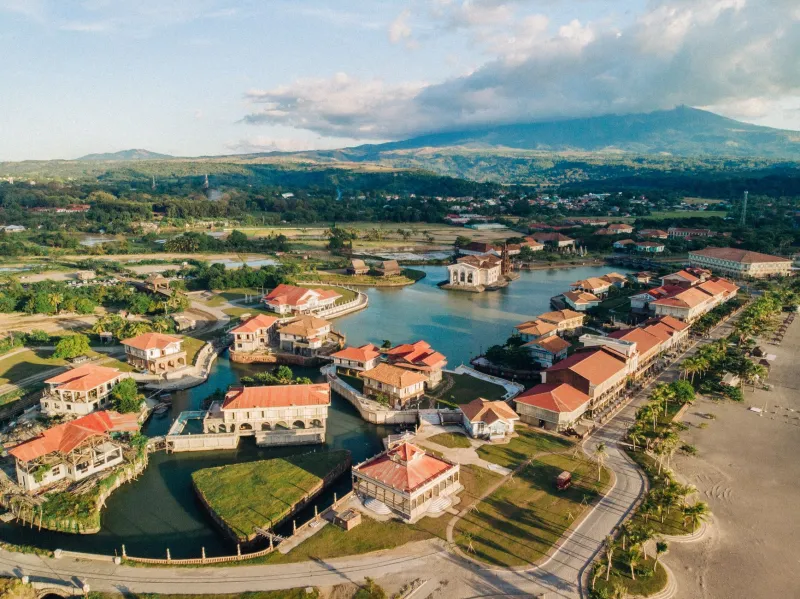
Let's be honest — most American travelers land in Manila, absorb the sticker shock of a decent hotel room, and assume that's just the cost of doing business in the Philippines. Then they get to Caliraya, check into a lakeside cottage for less than what they'd pay for a Midwestern motel, and suddenly everything clicks.
Caliraya Lake sits in the highlands of Laguna province, about three hours southeast of Manila, and it's quietly become one of the most rewarding places in Luzon to actually slow down. The accommodations scene here isn't built around flash or brand recognition — it's built around experience. And for travelers willing to look past the algorithm-approved resort chains, there's a genuinely impressive range of places to stay that offer something you can't buy in the city: stillness, scenery, and the kind of hospitality that makes you feel like a guest rather than a transaction.
Why Caliraya Beats the City on Value (And on Vibe)
Hotel math in Manila is brutal. Mid-range properties in Makati or BGC can run $120 to $200 a night for a room with city noise and recycled air. At Caliraya, that same budget — sometimes less — gets you a private cabin with a lake view, a hammock on your porch, and a host who'll tell you exactly where to catch the best sunset.
Beyond the savings, there's a qualitative difference in what these properties offer. Many are owner-operated, which means the person who checks you in is often the same one who grew the herbs in your breakfast omelette. That's not a marketing line — it's genuinely how a lot of these places run.
Boutique Resorts Worth Booking Early
A handful of small resorts around the lake have earned loyal followings, particularly among Manila weekenders who treat them like a secret they'd rather not share. These properties typically offer 10 to 20 rooms or cottages, private lake access, and amenities that rival much pricier options elsewhere in the country.
Look for resorts that advertise their own docks or boat rentals — private water access is a genuine differentiator here, and it means you can kayak or fish without coordinating with a third-party operator. Some properties also partner with local guides for zip-lining or trail hikes in the surrounding hills, which is worth asking about when you inquire.
Pro tip for US travelers: don't just book through the big aggregator sites. Many of Caliraya's boutique resorts offer better rates — sometimes 15 to 25 percent lower — when you contact them directly via Facebook Messenger or email. Yes, Facebook is still very much a business tool in the Philippines, and reaching out through a resort's page is completely normal and often gets a faster response than a booking platform inquiry.
Eco-Lodges for the Conscious Traveler
If your travel philosophy leans toward low-impact and high-intention, Caliraya has options that will genuinely resonate. Several eco-lodges in the area operate with sustainability at the center — think solar power, composting systems, on-site organic gardens, and water sourced from natural springs.
These aren't rustic-to-the-point-of-uncomfortable situations. Most eco-lodges here strike a balance between environmental responsibility and genuine comfort. Expect clean, thoughtfully designed rooms, locally sourced meals, and hosts who are passionate about the land they're stewarding.
Farm-to-table dining is less of a trend here and more of a practical reality — when your guesthouse grows its own vegetables and raises its own chickens, that's just what's for breakfast. For travelers accustomed to paying a premium for "farm-fresh" in the US, eating this way at Caliraya feels almost absurdly affordable.
Family-Run Guesthouses: The Real Hidden Gems
This is where the value proposition gets almost unfair. Scattered around the lake and up into the surrounding barangays are small family-run guesthouses that rarely show up on international booking platforms but consistently deliver some of the warmest hospitality you'll find anywhere in the Philippines.
These places often have just a few rooms — sometimes converted sections of the family home — and rates that would seem like a typo to someone used to US hotel pricing. What they lack in amenities they more than make up for in character and genuine connection. Your hosts will know the best local eateries, the trails that aren't on any map, and the fishing spots that the resorts don't tell their guests about.
Finding these guesthouses takes a little more legwork. Ask locals in town, check community travel groups on Facebook, or look for listings on local Philippine travel forums. The effort is worth it, especially if you're the kind of traveler who values a real story over a loyalty points redemption.
Timing Your Stay: When to Go and How to Save
Caliraya has two distinct seasons that affect both experience and pricing. The dry season, roughly November through April, is peak time — the lake is calm, the skies are clear, and the trails are accessible. This is also when rates tick up, particularly around the Christmas holiday season and Holy Week (Semana Santa), when domestic tourism surges and availability gets tight.
If you have flexibility, consider visiting during the shoulder months of May or October. The occasional rain shower is a small tradeoff for lower rates, fewer crowds, and a version of Caliraya that feels genuinely unhurried. Some properties offer meaningful discounts during these periods, especially for longer stays of four nights or more.
For US travelers planning ahead, booking two to three months in advance for peak season is smart. For shoulder season, a few weeks out is usually fine — and that's when the direct-booking conversation can work most in your favor.
What to Ask Before You Book
Not all accommodations around Caliraya are created equal, and a few questions upfront can save you a disappointing surprise on arrival. Before confirming a reservation, it's worth asking:
- Is there a backup generator for power outages? (This is a practical consideration in rural areas of the Philippines.)
- Is the property on the lake itself, or is lake access shared or a short walk away?
- What meals are included, and can dietary restrictions be accommodated?
- Is there reliable Wi-Fi, or is this a true digital detox situation? (Know what you're signing up for.)
- What's the cancellation policy?
Most hosts are refreshingly straightforward about these details. The communication style tends to be warm and personal, which is part of what makes booking directly such a good experience.
The Bottom Line
Caliraya's accommodation scene rewards curiosity. The travelers who find the best stays here aren't the ones clicking through the first page of search results — they're the ones willing to dig a little deeper, reach out directly, and trust that a family-run guesthouse or a solar-powered eco-lodge might offer something that a polished resort simply can't.
The lake is beautiful. The hills are cooler than the city. And the value, by almost any American standard, is quietly extraordinary. You just have to know where to look.