Beyond the Shoreline: Your Ultimate Guide to Lake Adventures and Water Escapes Around Caliraya
Most travelers passing through Laguna province have heard of Pagsanjan Falls or the bustling streets of Santa Cruz. But tucked away in the mountains of Cavinti sits a destination that quietly outshines them all — Caliraya Lake. Surrounded by pine trees and rolling hills that feel more like Northern California than Southeast Asia, this man-made reservoir has quietly become one of the Philippines' most versatile outdoor destinations.
And the best part? Most Americans who visit have no idea just how much is waiting out on that water.
Why Caliraya Is the Perfect Base for Water Adventures
Caliraya Lake covers roughly 1,400 hectares, making it large enough to feel genuinely expansive but intimate enough that you're never too far from shore. Unlike the crowded beach resorts of Palawan or Boracay, Caliraya offers a calmer, more personal kind of water adventure — the kind where you might spend an entire afternoon drifting between coves without seeing another tourist.
The lake sits at about 300 meters above sea level, which keeps temperatures comfortable even during the Philippine summer. For travelers coming from stateside who are used to planning around heat and humidity, that's a welcome surprise. Mornings here are genuinely cool, and afternoons rarely feel oppressive.
Beyond the climate, the infrastructure for water-based activities has grown significantly in recent years. Local operators now offer everything from guided kayak tours to full overnight island camping packages — and most of them are refreshingly affordable.
Bangka Boat Tours: The Classic Way to Explore
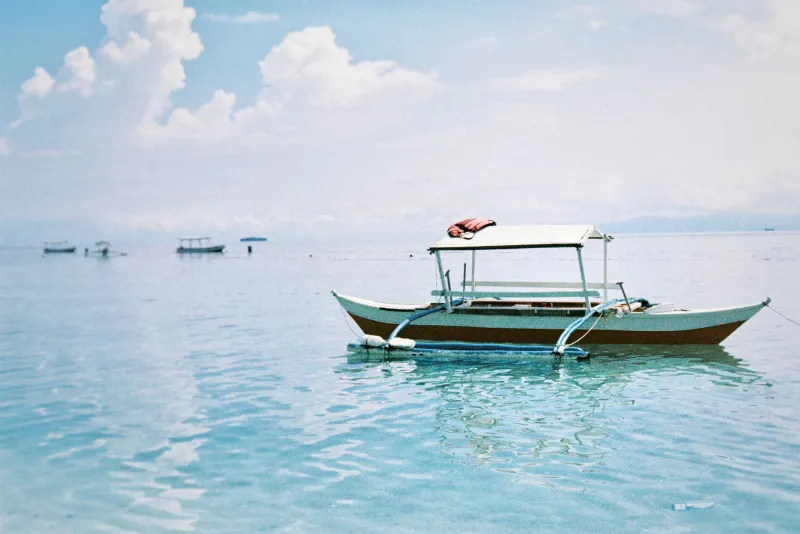
The traditional bangka — a narrow outrigger boat that's been a fixture of Philippine waterways for centuries — is your best friend on Caliraya Lake. These wooden boats are stable, quiet, and perfectly sized for small groups of two to six people.
Several resorts along the lake's edge, including those near the Caliraya Recreation Center, can arrange bangka rentals directly. Expect to pay somewhere in the range of 500 to 1,500 Philippine pesos per hour depending on the boat size and whether a guide is included. That's roughly $9 to $27 USD — a bargain by any standard.
A typical guided tour lasts two to three hours and takes you around the lake's quieter northern coves, where the tree line dips close to the water and the views feel almost cinematic. Your guide will usually point out local fishing spots, bird-watching areas, and a few small islets that aren't marked on any tourist map.
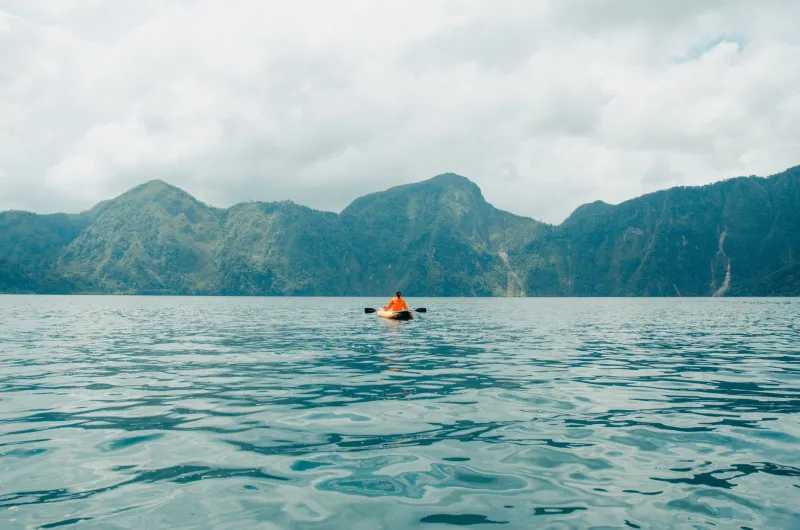
If you'd rather go at your own pace, kayak and paddleboard rentals are available at most lakeside resorts. Solo kayaking is especially popular in the early morning when the water is glassy and the mist is still hanging low over the surface.
The Hidden Islets: Where to Go and What to Expect
Caliraya's shoreline is dotted with small land formations — some barely large enough to pitch a tent, others wide enough to host a proper picnic. These islets don't have formal names on most maps, which is honestly part of their appeal.
The most accessible cluster sits roughly in the central portion of the lake and can be reached in about 20 minutes by bangka from the main resort area. Vegetation here is thick and lush, and the ground is flat enough for a small camp setup. Locals sometimes refer to this area simply as "the islands" — and while that might sound vague, your boat operator will know exactly where to take you.
A few of the larger islets have been used informally for overnight camping by adventurous visitors. If you're planning a multi-day lake trip, this is absolutely worth considering. Sleeping out on the water, away from any resort noise, with nothing but the sound of the lake lapping against the shore — it's the kind of experience that's genuinely hard to replicate anywhere else.
A few practical notes for campers:
- Bring your own gear. There are no rental setups on the islets themselves.
- Coordinate with your boat operator for drop-off and pick-up times.
- Pack out everything you bring in. Leave no trace principles apply here.
- Inform your resort or a trusted local contact of your overnight plans for safety.
Snorkeling and Freshwater Exploration
Caliraya is a freshwater lake, so the underwater world here is different from what you'd find at a coral reef. But that doesn't mean it's not worth exploring. The lake supports a healthy population of freshwater fish — tilapia and carp are especially common — and visibility in the calmer coves can be surprisingly good during dry season.
Snorkeling near the submerged tree stumps and rocky outcroppings along the lake's edges offers a genuinely unique experience. These underwater structures act as natural habitats, and drifting over them with a mask and fins feels meditative in a way that crowded ocean snorkeling rarely does.
Some local operators have started offering guided freshwater snorkeling tours, particularly for guests who want a more structured introduction to the lake's underwater environment. Ask at your resort about availability — this is still an emerging activity, so not every property will have it on their menu, but it's worth inquiring.
Finding the Right Local Operators
For US travelers who are used to booking everything online in advance, Caliraya requires a slightly different approach. Many of the best local operators — the ones with the most knowledgeable guides and the most flexible itineraries — are small, family-run businesses that don't have a heavy online presence.
The most reliable way to connect with them is through your resort. Virtually every property on the lake has established relationships with local boat operators and activity guides. When you check in, simply ask the front desk or concierge what water activities are available and whether they can arrange bookings on your behalf.
For those who prefer to plan ahead, a few operators have Facebook pages (still the dominant social platform for small businesses in the Philippines) where you can send inquiries before your trip. Searching for Caliraya boat tours or Cavinti lake activities will surface a handful of options worth reaching out to.
Planning Your Trip: Practical Logistics for US Travelers
Getting there: Caliraya is about two to three hours from Manila by car or bus, depending on traffic. The most common route goes through Sta. Cruz in Laguna. Renting a car or booking a private van from Manila gives you the most flexibility, especially if you're carrying camping gear.
Best time to visit: The dry season — roughly November through April — offers the most stable conditions for water activities. That said, the lake is beautiful year-round, and the rainy season brings its own dramatic, moody atmosphere.
Where to stay: Several resorts line the lake's shores, ranging from simple cottages to more polished eco-lodges. Booking directly with the resort (rather than through a third-party platform) often gets you better rates and more personalized service.
Budget: Water activities at Caliraya are genuinely affordable. A full day of boat tours, kayaking, and a lakeside lunch can come in well under $50 per person — sometimes significantly less.
The Takeaway
Caliraya Lake doesn't ask for much from you. It doesn't need you to be an expert adventurer or a seasoned traveler. It just needs you to show up, step into a bangka, and let the water do the rest. For Americans looking to experience the Philippines beyond the typical resort circuit, this quiet corner of Laguna might just be the most rewarding detour you'll ever take.